Oral surgery can make many patients feel nervous, especially when they are unsure about anesthesia and what happens during the procedure. One common concern is whether they will remain conscious throughout the treatment. The good news is that several oral surgery procedures can be performed comfortably with appropriate anesthesia. If you are wondering whether you will be awake during oral surgery Englewood NJ, understanding the different anesthesia options can help you feel more prepared and confident.
At Englewood Dentistry, patient comfort, personalized treatment planning, and clear communication are important parts of the dental care experience.
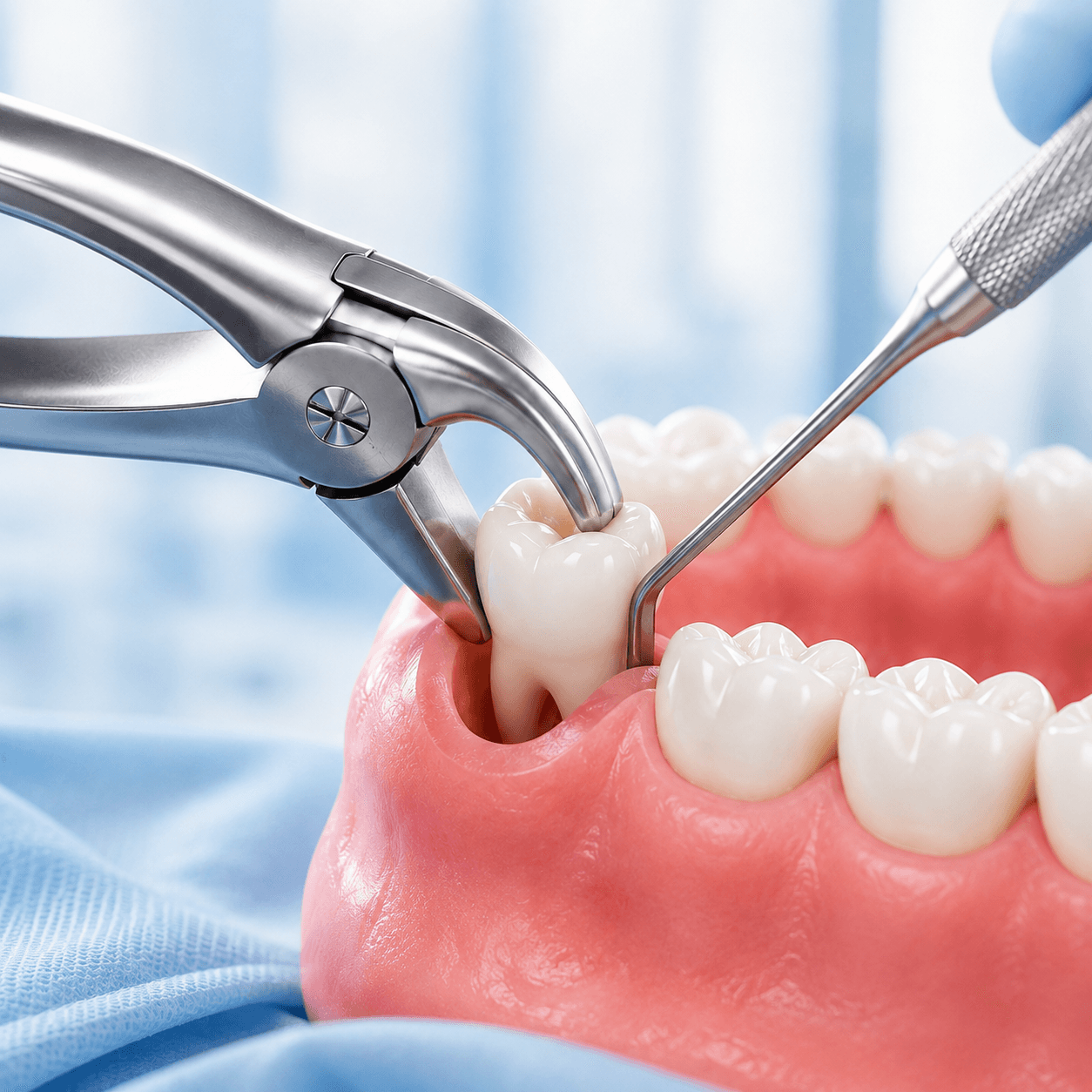
Will You Be Awake During Oral Surgery?
Whether you remain awake during oral surgery depends on the complexity of the procedure, your health history, and the anesthesia method selected by your dental provider.
Many routine oral surgery procedures are performed using local anesthesia. This medication numbs the treatment area so you do not feel pain while remaining fully conscious. You may notice pressure, movement, or vibrations during treatment, but sharp pain should not occur when the area is properly anesthetized.
For patients who experience dental anxiety, discussing comfort options before treatment can make a significant difference. Your dentist can explain which approaches may be appropriate for your individual needs.
Different Types of Anesthesia Used During Oral Surgery
Understanding anesthesia options can help you know what to expect before your appointment.
Local Anesthesia
Local anesthesia is commonly used for procedures such as certain tooth extractions and minor oral surgeries. The medication is administered near the treatment area to temporarily block pain signals. You remain awake, aware, and able to communicate with your dentist throughout the procedure.
Sedation Dentistry
Sedation dentistry may be recommended for patients who experience dental anxiety or require more complex treatment. Depending on the type of sedation, you may feel relaxed and less aware of your surroundings while remaining responsive.
The availability of sedation options varies between dental practices. Patients who require deeper sedation may need treatment from a qualified oral surgery specialist.
General Anesthesia
General anesthesia makes you completely unconscious during surgery. It is generally reserved for specific procedures or situations where deeper anesthesia is medically appropriate. Your healthcare provider will evaluate your overall health, medical history, and treatment requirements before recommending this option.
What Happens During an Oral Surgery Appointment?
Knowing what happens during oral surgery can help reduce uncertainty. Your appointment usually begins with a dental examination and, when necessary, diagnostic imaging. These assessments allow your dentist to evaluate the affected area and develop an appropriate treatment plan.
Before the procedure begins, the recommended anesthesia is administered. Once the treatment area is sufficiently numb, your dentist performs the planned surgical procedure.
After surgery, you receive instructions regarding pain management, swelling, eating habits, oral hygiene, and recovery. Following these recommendations carefully helps promote healing and minimize potential complications.
How Can You Stay Comfortable During Oral Surgery?
Feeling nervous before dental surgery is completely understandable. Fortunately, there are several ways to make your experience more comfortable.
Start by discussing your concerns openly with your dentist. Explain any previous negative dental experiences, medical conditions, allergies, and medications you currently take. Ask about the expected procedure duration, anesthesia choices, and sensations you might experience.
Following preoperative instructions and arriving prepared for your appointment can also help reduce unnecessary stress. Remember that your dental team wants you to feel informed and comfortable throughout treatment.
Why Choose Englewood Dentistry for Your Dental Care?
Englewood Dentistry focuses on providing personalized dental care in a welcoming environment. Dr. Iqra Ahmed emphasizes patient education, careful treatment planning, and comfort throughout the dental experience.
The practice offers various dental services, including appropriate tooth extractions, wisdom tooth evaluations, and bone grafting when indicated. If a patient's needs require specialized surgical care or deeper anesthesia, referral to an appropriate oral surgeon may be recommended.
Patients can discuss their concerns, understand available treatment options, and receive guidance based on their individual dental health requirements.
Conclusion
Being awake during oral surgery does not mean you have to experience pain or unnecessary discomfort. With appropriate anesthesia, careful preparation, and professional dental guidance, many oral surgery procedures can be completed comfortably. The right anesthesia option depends on your procedure, medical history, and personal needs. If you are concerned about being awake during oral surgery Englewood NJ, consulting an experienced dental professional is an important first step. Englewood Dentistry can help you understand your treatment options and prepare for a more comfortable dental experience. Contact the practice to schedule a consultation and take a positive step toward better oral health.