A steel pipe handling system stays reliable when it gets regular inspections, lubrication, cleaning, belt checks, sensor calibration, electrical checks and trained operators. The supplier's product page lists all of these as maintenance steps.
This article turns that advice into a plain routine. It uses the maintenance section of the Hebei TianxiangHao page for its handling and transfer equipment. Always follow your own manufacturer's manual, since details vary by machine. This is general information, not engineering advice.
Why Maintenance Matters
Wear and Daily Use
Handling equipment works hard. Pipes are heavy, and the machines run through demanding industrial conditions, as the page itself says when it describes durable, robust construction. Constant use means parts wear, and wear shows up gradually.
Small signs, like looser parts or odd movement, are easier to deal with early. That's general maintenance sense, not a claim from the page. A regular routine turns surprises into scheduled work, which is easier on production than a breakdown in the middle of a shift.
Safety Devices Need Checking
The page lists safety features such as emergency stop buttons, safety interlocks and sensor systems. It advises checking that these work properly during inspections. A safety device that isn't tested might not work when it's needed.
Add safety checks to every inspection. Test emergency stops and interlocks according to your manual, and record the results. If anything fails, stop using the equipment until it's fixed. Those are general safety principles, and your site's rules take priority.
Routine Checks
Inspections and Cleaning
The page advises regular inspections of the machine for signs of wear, damage or loose parts, and keeping it clean and free of debris, dust and other contaminants. Cleaning the conveyor belts, rollers and other components helps prevent buildup that can affect performance.
For anyone responsible for a steel pipe handling system, a simple checklist helps: look, listen, clean, note. Write down what you find and the date. Over time, those notes show patterns that point to problems before they stop the line.
Lubrication and Belt Tension
The page says to follow manufacturer guidelines to lubricate moving parts regularly, which reduces friction, prevents wear and maintains smooth operation. It doesn't give intervals or lubricant types, so check your manual or ask the supplier.
It also advises checking and adjusting conveyor belt tension to prevent sagging or slipping, since proper tension keeps pipe movement smooth and efficient. If your equipment has belts, add tension to your regular checks, and record any adjustments you make.
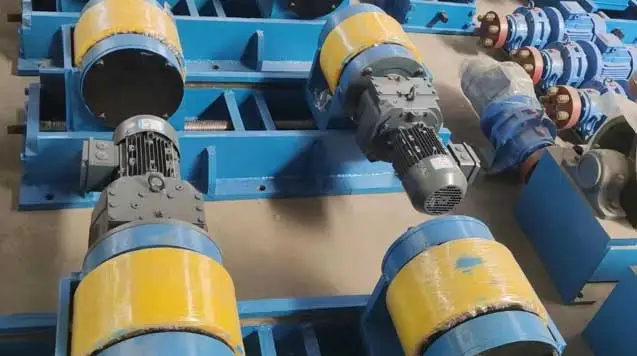
Electrical Systems and Sensors
Electrical Checks
The page says to inspect electrical connections, cables and control panels for damage or loose connections, and to ensure all electrical components function properly. Electrical work can be hazardous, so only qualified people should open panels or handle wiring.
Keep a record of electrical inspections, and report anything unusual promptly. If a control panel behaves strangely, don't ignore it. The page lists the control panel as the place where operators adjust speed and direction, so problems there affect how the whole line runs.
Sensor Calibration
If the machine has sensors for detecting pipe position or other parameters, the page advises calibrating them regularly to maintain accurate readings and reliable operation. Sensors drive a lot of automatic behavior, so drift can cause odd results.
Ask the supplier how often calibration is recommended and who should do it. The page doesn't give a schedule. A trained technician can usually calibrate sensors properly, and it's a good question to raise when you're comparing a steel pipe transfer system with other options.
People and Support
Operator Training
The page advises training machine operators on regular maintenance tasks and best practices, so they understand how to operate and maintain the machine correctly. Trained operators notice changes early and handle simple checks safely.
Ask the supplier what training is offered. The site lists Installation and Technique Support pages, though the product page doesn't describe training details. Clear instructions, written procedures and a short refresher now and then help keep good habits in place.
Professional Servicing and Spare Parts
The page also suggests scheduling regular maintenance visits by qualified technicians, who can perform detailed inspections, make adjustments and address issues. That's a sensible complement to daily checks, especially for complex or heavily used equipment.
The site lists a Spare Parts category, including rollers, slag removers and cutter heads. Ask which spare parts to keep on hand for your handling equipment, and how long replacements take. Planning ahead reduces downtime when a part finally needs to be replaced.
The Short Version
Maintain a steel pipe handling system with regular inspections, cleaning, lubrication, belt tension checks, sensor calibration, electrical checks, trained operators and scheduled professional servicing. The page lists each of these as part of looking after the equipment.
Follow your manufacturer's guidelines, record what you do and test safety devices every time. Ask the supplier for intervals, lubricants and spare parts lists. This is general information, not engineering advice, so follow your manual and site rules.
FAQs
What maintenance does the page recommend?
Regular inspections, lubrication, cleaning, belt tension adjustment, sensor calibration, electrical system checks, professional servicing and operator training.
Does the page give maintenance intervals?
No. It says to follow manufacturer guidelines, so ask your supplier.
Should safety devices be checked?
The page advises checking emergency stop buttons and interlocks during inspections.
Where can I find spare parts?
The site lists a Spare Parts category, including rollers, slag removers and cutter heads.