Quality control plays an essential role in manufacturing, engineering, and product development. A quality inspection table provides a dedicated surface where products, components, and materials can be examined before they move to the next production stage. Choosing appropriate furniture helps create an organised environment for accurate inspections.
Inspection activities often involve measuring dimensions, checking finishes, identifying defects, and comparing products against specifications. A stable working surface makes these tasks easier by providing enough room for instruments, samples, and inspection documents.
The construction of an inspection workstation deserves careful attention. Strong frames help minimise unwanted movement, while durable worktops provide dependable support for different materials. Businesses should select surfaces suitable for the weight and type of products being examined.
Worktop dimensions are another important factor. Small components may require only a compact inspection area, whereas larger products need additional space. Providing enough room helps inspectors position items correctly and access different sections without unnecessary handling.
Lighting can significantly influence inspection quality. Poor visibility may make it difficult to identify scratches, surface imperfections, or small manufacturing defects. Suitable task lighting helps inspectors examine products more carefully. Adjustable lighting can be particularly useful when working with different materials and finishes.
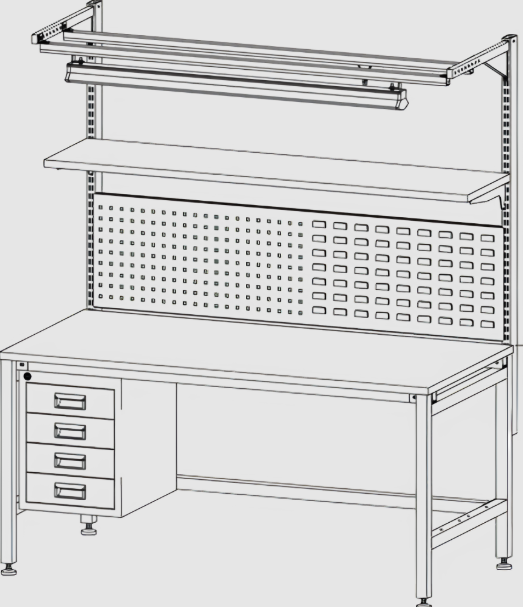
Storage facilities also improve organisation. Drawers and shelves provide convenient places for measuring instruments, gauges, samples, and documentation. Keeping essential equipment close to the inspection area reduces interruptions and supports a more consistent process.
Ergonomics should also be considered when designing an inspection area. Workers may spend extended periods examining products, recording measurements, and comparing specifications. A comfortable working height can help reduce unnecessary strain and support better concentration.
Businesses should also think about the types of equipment used during inspections. Measuring tools, microscopes, weighing devices, and electronic testing instruments may require dedicated space. Selecting a workstation with suitable accessories helps accommodate these requirements.
A suitable workbench table can provide a practical foundation for inspection and assembly activities. Its design should support the intended workload while offering enough space for tools, products, and testing equipment.
Regular maintenance is equally important. Cleaning the surface, checking frame stability, and inspecting storage components can help preserve the workstation's condition. Businesses should also keep inspection equipment properly maintained to support reliable results.
Ultimately, an effective inspection area depends on suitable equipment, organised storage, proper lighting, and a stable working surface. By considering these factors, businesses can create a professional environment that supports careful examination and consistent quality standards throughout their operations.