Retail businesses handle numerous customer transactions, product movements, and payment activities every day. Billing software helps store owners coordinate these responsibilities through organized digital records. Whether operating a neighborhood grocery shop, clothing showroom, electronics outlet, or departmental store, retailers can benefit from faster transactions and improved financial visibility.
Customer expectations have changed considerably over recent years. Shoppers generally prefer quick checkout experiences, accurate bills, and convenient payment options. Long waiting times and incorrect invoices can negatively affect customer satisfaction.
Digital billing tools help retailers prepare invoices more efficiently. Employees can select products from an existing catalogue, enter quantities, apply eligible discounts, and calculate totals automatically. This approach reduces repetitive calculations and makes checkout activities more convenient.
Product management is another essential retail requirement. Store owners need accurate information about available quantities, purchase prices, and selling prices. Inventory-connected systems can update stock records when sales are completed, helping employees understand current product availability.
For example, a clothing retailer may sell several sizes and colors of the same product. Maintaining these variations manually can become difficult when inventory changes frequently. An organized product database helps staff locate the correct item and maintain more reliable stock information.
Retailers also need to understand their sales performance. Daily and monthly reports provide useful information about revenue, frequently purchased products, and transaction volumes. These insights can help business owners identify popular products and plan future purchases.
Customer information can also support better service. Maintaining appropriate customer records allows retailers to retrieve previous invoices, review purchase histories, and handle transaction-related questions more efficiently. Businesses should collect and store customer information responsibly.
Discount management is another useful capability. Retail stores frequently introduce seasonal promotions, special offers, and customer-specific discounts. A suitable system can help employees apply authorized discounts consistently while maintaining accurate transaction totals.
GST-related invoice management is particularly important for eligible Indian retailers. Businesses must follow applicable invoicing and tax requirements. Digital systems can assist with tax calculations and structured invoice generation, although owners should ensure their configuration reflects current regulations.
Choosing suitable technology requires understanding the store's operational needs. A small shop may prioritize simple invoicing, while a larger retailer might need barcode scanning, multiple payment methods, detailed reporting, and centralized inventory management.
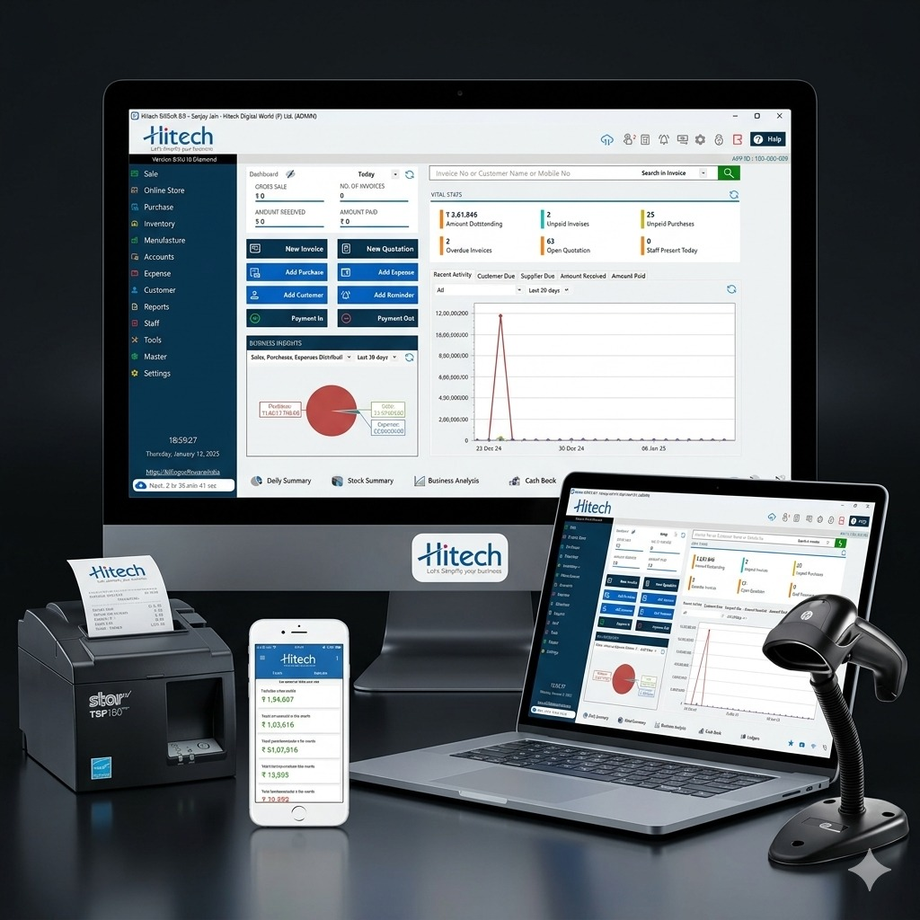
Business owners should also consider hardware compatibility. Receipt printers, barcode scanners, computers, and other devices may improve checkout efficiency when supported by the selected platform.
Employee training should not be overlooked. Staff members need to understand product selection, invoice correction procedures, payment recording, and basic troubleshooting. Proper training reduces confusion during busy periods.
With organized processes and suitable technology, retailers can improve transaction accuracy and operational consistency. Implementing dependable billing software helps stores manage sales, maintain product records, and deliver smoother checkout experiences.