Tuna are fast. And strong. One hit can change the whole trip. The rod bends hard. The line runs out. Your heart jumps. Now the fight is on. These fish do not give up with ease. A good lure can help you draw them in. But it must look right in the water. Tuna chase small fish and move fast when they feed. Watch the sea. A flash near the boat may be all the clue you get.
Skirts That Catch The Eye
A lure skirt has a job to do. Its strands move as the boat cuts through the sea. They fan out then pull back in. It can look like a baitfish trying to flee. That small bit of motion can draw a strike. Many anglers pick tuna trolling lures for this reason. Colour can help too. Blue and silver may look like fish in clear water. Bright shades can stand out when the sea looks dark. Try a few. The fish may show what they like.
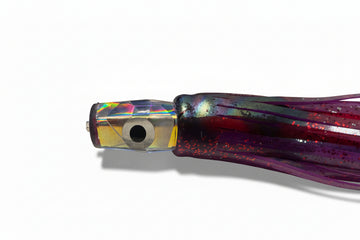
The Head Makes A Difference
The head can change how a lure moves. Some shapes push water and make a splash. Others slip through with less noise. Both can work. It depends on the sea and the speed of your boat. A lure that jumps too much may leave the spot where fish can reach it. One that tracks well can stay in view. Take a look at the lure as it trails behind. Does it swim with ease? Or does it roll and skip? A small change may fix the action.
Give Each Lure Room
A good spread can help you cover more water. Place lures at varied spots behind the boat. Each one needs space to move. Lines that cross can cause a mess at the worst time. Mix up the sizes and colours if fish are hard to find. A small lure may look like the bait in the area. A large one can stand out. Keep your eyes on the water. A sudden splash or a bird that dives may point to fish close by. Stay ready.
Look For Mahi Signs
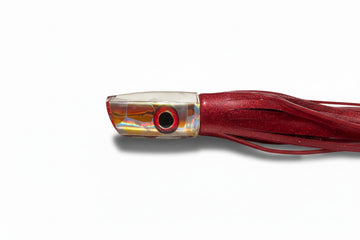
Mahi often roam near warm water and weed lines. They may chase small fish near the top. These signs can help you pick a lure. The best mahi trolling lures should match the bait that fish are chasing. A slim shape may work when small fish fill the area. Bright colours can stand out in dark water. Look for birds too. They often find food before anglers do. A patch of floating weed can hold life beneath it. Slow down and take a close look before you pass.
Care For Every Tackle Piece
Saltwater can wear down gear fast. Rinse each lure with fresh water after a trip. Check the skirt for loose strands. Look at the head for cracks. Keep hooks sharp and check each knot. A weak line can cost you a fish. Store lures so their skirts do not bend or twist. It takes just a few minutes. Still, it can save a lot of trouble later. When a tuna hits hard, you want ready gear. No guesswork. No last-minute fix.
Conclusion
Tuna and mahi fishing can test your skill and gear. A sound lure setup helps you stay ready when fish strike. Watch the sea and change your spread when needed. Keep each lure clean and check your tackle after every trip. K2fishing.com offers offshore lure designs for anglers who want to plan their next run. The sea can shift in a blink. A steady plan can make each trip count.