Packaging is often treated as a final creative task, yet for private label ingredients it is a controlled technical process. Artwork, label wording, pack size and supporting documents must align with the approved specification and with the rules of the destination market. Errors discovered after printing can force reprinting, delay shipments or even prevent clearance. This article explains how buyers can organize packaging approval, which documents should be gathered, who should review them and why the work should begin early, well before production is scheduled for the first commercial batch.
Treating Packaging as a Technical Approval
A pack carries more than a brand. It protects the product, communicates preparation and storage instructions, and presents legally required information. Changes to pouch material, bottle shape or closure can influence shelf life and filling compatibility. For this reason, packaging should be reviewed by technical and compliance staff as well as by marketing. Establishing a single approval workflow, with named owners and defined sign-off steps, prevents the confusion that arises when several teams request different revisions at different times. Clear ownership keeps the approval process orderly and efficient.
Preparing Artwork Correctly
Artwork should be prepared to the supplier’s technical template, including dieline, print areas, color references and barcode placement. Logos should be supplied in suitable resolution and file formats. A concept preview can help internal teams visualize a pouch or bottle, yet it does not confirm print accuracy, dimensions or legal compliance. Buyers should therefore expect a proof stage in which the actual printed appearance is reviewed. Checking spelling, symbols and quantities on the proof saves considerable expense later. Careful proof review is always far cheaper than reprinting an entire order.
Gathering the Required Documents
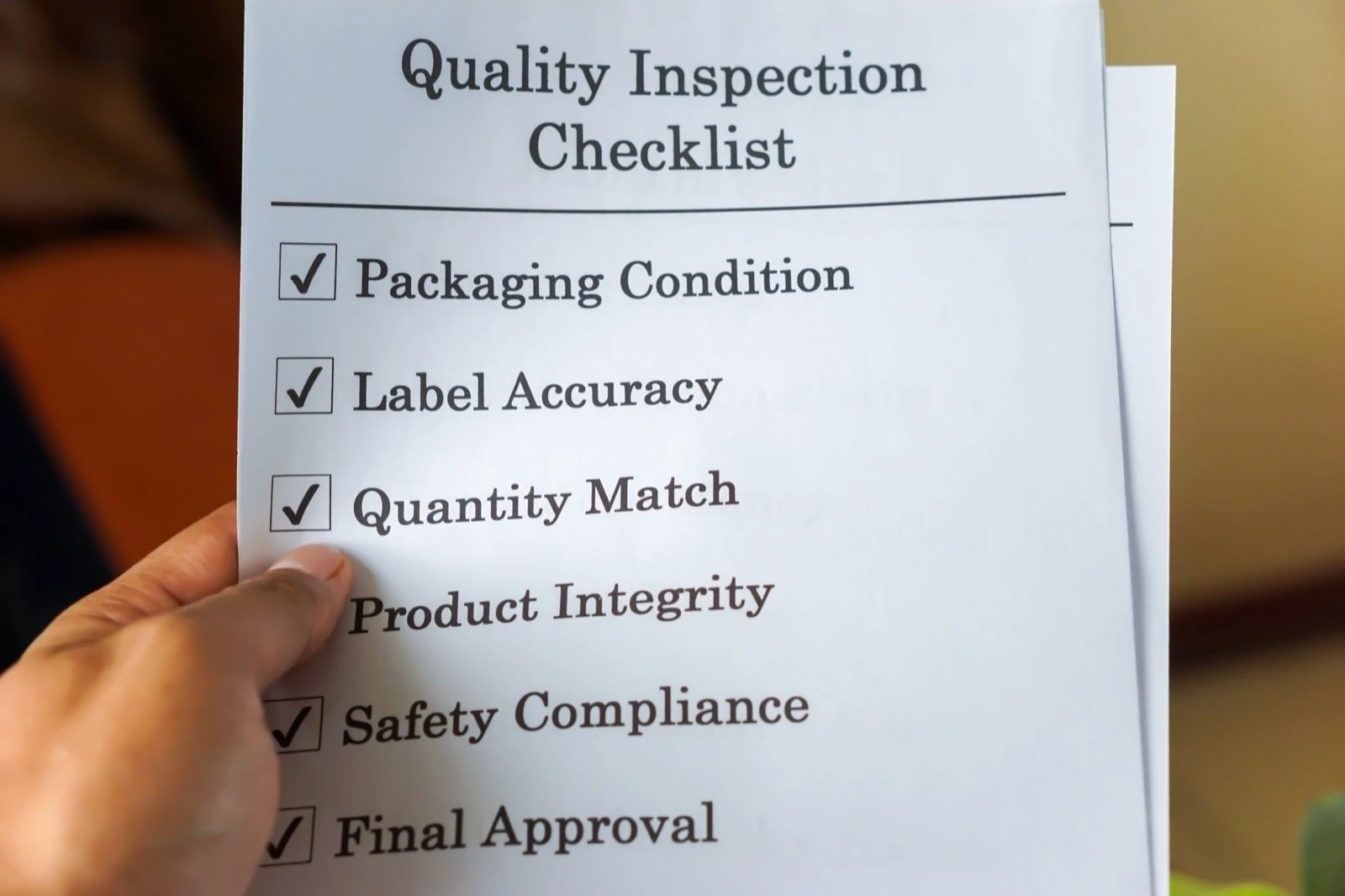
Buyers should assemble the private label packaging approval documents Australia and other destination markets expect before printing begins. These typically include label content, ingredient and allergen declarations, net quantity statements, storage instructions, lot code format and any language requirements. Supporting items such as packaging material specifications and artwork proofs complete the record. Gathering them in one organized file allows each reviewer to examine the same version, preventing confusion and ensuring that the approved label matches the approved product. This organized approach also simplifies later audits and customer inquiries.
Aligning Labels with the Ingredient Specification
Label statements must agree with the approved private label ingredient specification Malaysia buyers or any other buyers have signed. Composition, allergen information, shelf life and handling instructions should be identical in both documents. A discrepancy suggests that one document is outdated and invites regulatory or customer complaints. Whoever owns the specification should review the label text before approval. Any later change to the formula should trigger a review of the label, because even small ingredient substitutions can alter declarations. Consistency between these documents protects the credibility of the brand.

Managing Revisions and Version Control
Packaging projects often involve several rounds of revision, so version control is essential. Each file should carry a clear version number and date, and obsolete versions should be withdrawn from circulation. Approvals should be recorded in writing, identifying the reviewer and the exact file approved. Verbal agreement is not sufficient when a disagreement arises later. A short approval log kept with the project file provides a reliable history and protects both buyer and supplier from misunderstanding. Disciplined record keeping also helps new team members understand quickly what has already been decided and approved.
Allowing Enough Time Before Production
Packaging materials frequently require longer lead times than the ingredient itself. Printing, material procurement and proof approval can each extend the schedule, particularly when revisions are needed. Buyers should therefore begin packaging work during the pilot stage, not after commercial approval. Confirming minimum packaging quantities and storage arrangements early avoids surprises. A realistic timetable that accounts for proof cycles, regulatory review and delivery allows the first commercial batch to be packed correctly and shipped on schedule. Early planning therefore protects the launch date and prevents expensive rush charges during the final production weeks.
Conclusion
Packaging approval for a private label launch is a disciplined technical process involving artwork, label content, supporting documents and alignment with the ingredient specification. Buyers who prepare these items early, maintain version control and record each approval reduce the risk of reprinting, delay and compliance problems. Treating packaging as part of the product, rather than an afterthought, protects the launch timetable. Established operators who want to see how packaging, documentation and approval controls are organized within a private label program can review the details at briefandbranch.com.