Food freshness is essential for butcher shops, seafood retailers, restaurants, and professional food preparation facilities. A refrigerated meat grinder offers a practical solution for businesses that need to process meat while maintaining controlled working conditions. Choosing suitable equipment helps support hygiene, product quality, and consistent preparation.
Meat grinding involves mechanical processing that can generate heat through friction. Maintaining appropriate temperatures during preparation is important because meat is a perishable product. Refrigerated grinding systems are designed to help manage this challenge, supporting businesses that regularly prepare minced meat for different dishes and customer requirements.
Professional models are available in different capacities and configurations. Businesses should compare motor power, grinding capacity, construction materials, cleaning access, and refrigeration performance. Stainless steel components are especially useful because they offer durability and are generally straightforward to maintain.
Routine cleaning is essential when operating meat processing equipment. Removable components can make sanitation easier, while following manufacturer instructions helps protect equipment performance. Staff should also observe appropriate food safety procedures when handling raw ingredients and storing prepared products.
Seafood retailers face similar challenges because fish requires careful temperature management and attractive presentation. A refrigerated fish display allows shops, supermarkets, and restaurants to present seafood while maintaining suitable chilled conditions. An effective display combines practical refrigeration with clear product visibility.
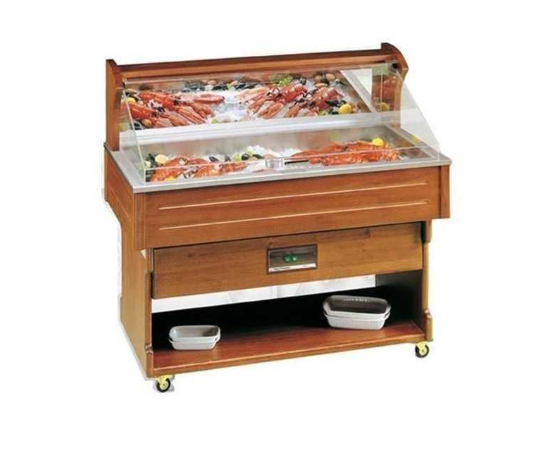
Display design influences how customers evaluate seafood products. Transparent panels, suitable lighting, accessible arrangements, and organised product separation can improve the shopping experience. Different models accommodate varying quantities and layouts, making it possible to select equipment according to available floor space.
Businesses should pay attention to temperature monitoring, drainage, cleaning access, and refrigeration reliability. Fish displays may also require suitable ice presentation depending on the products being sold. Following manufacturer recommendations and local food safety requirements remains essential.
Both meat grinding and seafood display operations benefit from dependable equipment. Choosing appliances with appropriate capacities helps businesses avoid unnecessary energy consumption while maintaining productive workflows. Regular servicing can also reduce unexpected interruptions.
Equipment investments should support both operational requirements and customer confidence. A reliable refrigerated fish display, combined with appropriate meat processing machinery, helps food businesses manage perishable products responsibly while presenting their offerings professionally.