The human spine is a remarkable structure designed to support the body, protect the spinal cord, and allow a wide range of movements. Among its many functions, spinal rotation plays an essential role in daily activities such as turning, bending, walking, and maintaining balance. However, when there are issues involving the rotation of the lumbar spine, it can lead to discomfort, restricted movement, and even chronic back problems.
The lumbar region, located in the lower back, bears a large portion of the body's weight and is involved in many physical movements. Because of its role in stability and flexibility, any disruption in its natural motion can significantly affect overall health and mobility. Understanding how lumbar rotation works and how it influences the body is key to preventing injury and maintaining spinal wellness.
Anatomy of the Lumbar Spine
To understand spinal rotation, it is important to first look at the structure of the lower back. The lumbar spine consists of five large bones known as the lumbar vertebrae, labeled L1 through L5. These vertebrae are stronger and larger than those in other parts of the spine because they support most of the body's weight and allow controlled movement.
The discs between these vertebrae act as shock absorbers, while surrounding muscles and ligaments provide stability and flexibility. Although the lumbar region is designed primarily for bending and supporting weight, limited rotation of lumbar spine movements still occur during everyday actions such as twisting to look behind you or reaching sideways.
When the spine functions correctly, all these components work together smoothly. However, misalignment or improper movement patterns can interfere with this natural motion.
Understanding Lumbar Vertebrae Rotation
The term lumbar vertebrae rotation refers to the twisting movement that occurs between the vertebrae in the lower back. While this movement is generally limited compared to the upper spine, it still plays an important role in coordinating body movements.
The lumbar vertebrae are designed in a way that restricts excessive rotation to protect the spine from injury. However, small rotational movements help support everyday motions like turning the torso, shifting weight while walking, or reaching for objects.
Problems arise when these rotations become uneven or restricted. For example, if one vertebra rotates more than others or if surrounding muscles become tight, it can lead to imbalances in the spine. These imbalances often cause muscle strain, joint stiffness, and lower back pain.
Causes of Abnormal Rotation of the Lumbar Spine
There are several factors that can contribute to improper rotation of the lumbar spine. Modern lifestyles, especially those involving prolonged sitting or repetitive movements, can place significant stress on the lower back.
Poor Posture
One of the most common causes is poor posture. Sitting for long hours with improper spinal alignment can gradually lead to muscle imbalances and restricted spinal movement.
Muscle Tightness and Weakness
Tight muscles around the hips, lower back, and core can limit the natural rotation of lumbar spine movements. At the same time, weak core muscles may fail to stabilize the spine properly.
Sports or Physical Injuries
Athletes and physically active individuals sometimes develop lumbar rotation problems due to repetitive twisting motions. Sports such as golf, tennis, and baseball involve frequent spinal rotation, which can place stress on the lumbar vertebrae.
Degenerative Conditions
Age-related conditions such as disc degeneration or arthritis may also affect the ability of the lumbar spine to rotate smoothly.
Symptoms Associated with Lumbar Vertebrae Rotation Issues
When the lumbar vertebrae rotation becomes restricted or misaligned, several symptoms may appear. These symptoms can vary in intensity depending on the severity of the issue.
Common signs include:
Persistent lower back pain
Muscle stiffness or tightness
Reduced flexibility when twisting or bending
Pain that radiates into the hips or legs
Difficulty maintaining proper posture
If left untreated, these symptoms can gradually worsen and interfere with everyday activities.
Chiropractic Care and Lumbar Spine Health
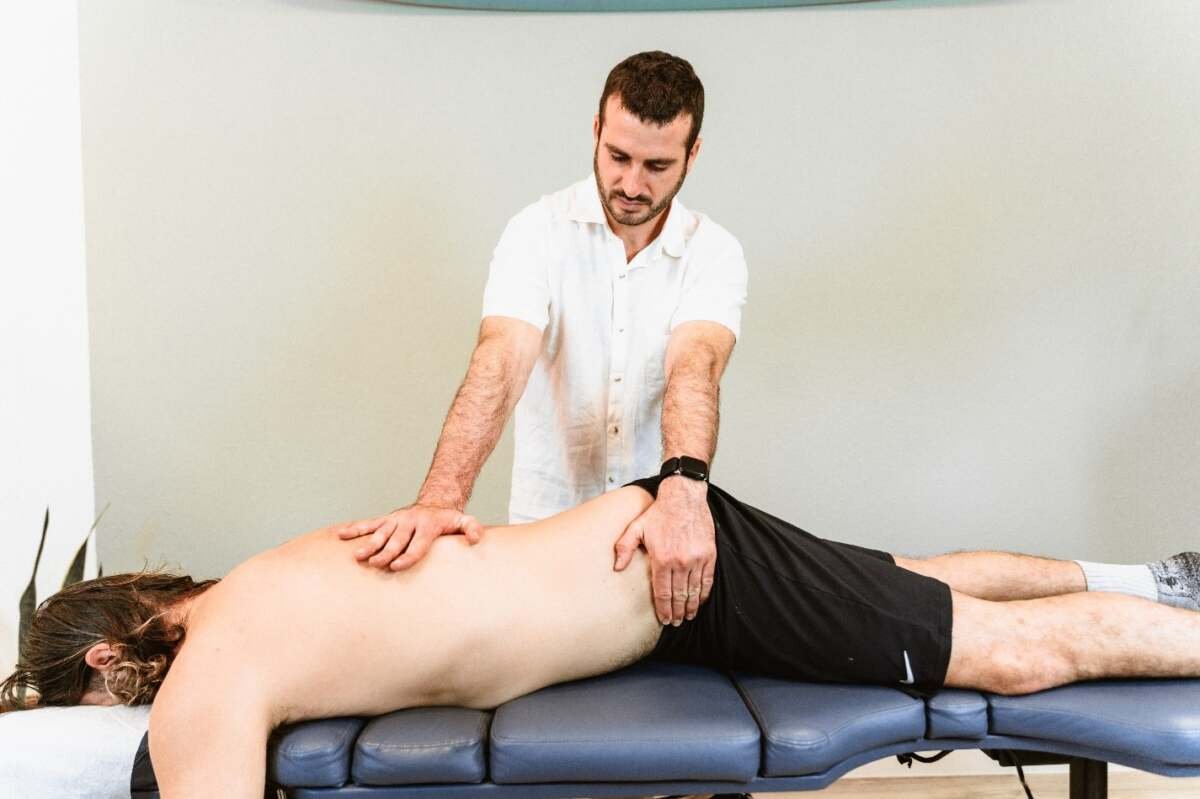
Chiropractic care is widely recognized as an effective approach for addressing spinal alignment and movement issues. Chiropractors evaluate the position and function of the spine to identify areas where mobility may be restricted.
Through specialized techniques and adjustments, they help restore proper joint movement and improve the natural rotation of the lumbar spine. These treatments are often combined with exercises, stretching routines, and posture correction strategies to strengthen the muscles supporting the spine.
By addressing both alignment and muscle balance, chiropractic care helps patients achieve long-term improvements in spinal health and mobility.
Preventing Lumbar Spine Rotation Problems
Maintaining a healthy spine requires consistent attention to posture, movement, and physical activity. There are several simple habits that can help protect the lower back and prevent rotational problems.
Maintain Good Posture
Keeping the spine properly aligned while sitting and standing reduces unnecessary stress on the lumbar vertebrae.
Strengthen Core Muscles
Strong abdominal and back muscles provide essential support for the spine and help maintain balanced movement.
Stretch Regularly
Stretching exercises for the hips, lower back, and hamstrings improve flexibility and support natural spinal motion.
Avoid Prolonged Sitting
Taking short breaks to stand, stretch, or walk can help prevent stiffness and maintain spinal mobility.
Conclusion
The lumbar spine plays a crucial role in supporting the body and enabling movement. When the rotation of lumbar spine becomes restricted or imbalanced, it can lead to discomfort, limited mobility, and long-term spinal problems. Understanding the mechanics behind lumbar vertebrae rotation and maintaining healthy movement patterns are essential steps toward preventing back pain and improving overall physical health. With proper care, posture awareness, and professional guidance, individuals can protect their lower back and maintain optimal spinal function. For expert insights and chiropractic support focused on spinal wellness, thechiropractorr.com provides valuable resources and guidance for maintaining a healthier, more balanced spine.