Vein problems such as varicose veins and spider veins affect millions of people and can cause discomfort, swelling, and visible vein changes. Visiting a vein treatment center is the best way to diagnose and manage these conditions early. At Vein Treatment Long Island, specialists use advanced diagnostic tests to evaluate vein health and determine the most effective treatment plan. Understanding what to expect at a vein clinic can help patients feel more comfortable and prepared before their appointment.
Initial Consultation and Medical History
Your visit to a vein treatment center usually begins with a comprehensive consultation. The doctor will ask about your symptoms, lifestyle, and medical history. Patients often report issues such as leg pain, swelling, heaviness, itching, or visible varicose veins.

During this stage, the physician also asks about risk factors like family history, prolonged standing, pregnancy, or previous vein problems. This discussion helps the doctor understand the severity of your condition and determine which diagnostic tests may be necessary.
Physical Examination
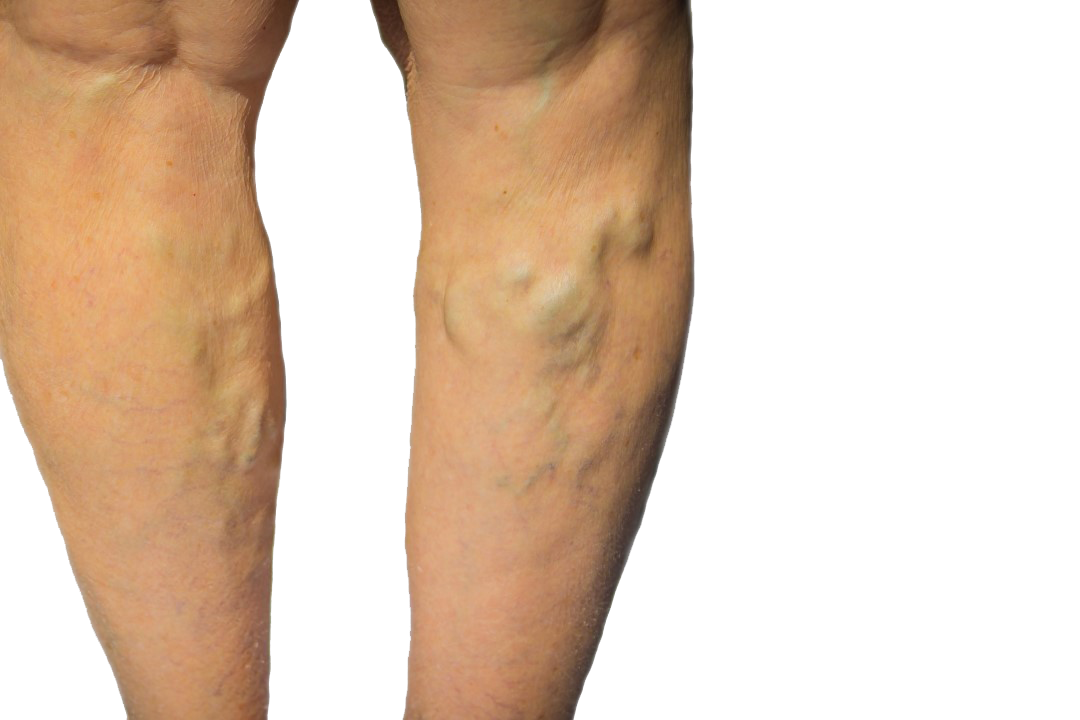
After reviewing your medical history, the doctor performs a physical examination of your legs. This exam allows the specialist to visually assess the veins and look for signs of varicose veins, spider veins, skin discoloration, swelling, or ulcers.
Patients often ask, what doctor treats varicose veins. Typically, a vein specialist such as a vascular surgeon, phlebologist, or interventional radiologist performs this evaluation. These doctors specialize in diagnosing and treating vein disorders and work in professional facilities like Long Island Vein Treatment clinics.
The physical examination also helps the doctor determine whether your symptoms are cosmetic or related to deeper vein issues that require medical treatment.
Duplex Ultrasound Test
The most common diagnostic test performed at a vein treatment center is a duplex ultrasound. This non-invasive imaging test plays a crucial role in diagnosing vein disorders.
A trained technician places a small handheld device called a transducer on your skin. The device uses sound waves to create images of your veins and monitor blood flow in real time. The duplex ultrasound helps the doctor identify:
Blood clots
Damaged vein valves
Abnormal blood flow
Deep vein reflux
Blocked veins
This test is painless and typically takes about 20 to 30 minutes. It provides detailed information that helps doctors at Vein Treatment Long Island create a personalized treatment plan.
Venous Reflux Study
A venous reflux study is a specialized type of ultrasound that evaluates how well the valves inside your veins function. Healthy veins contain valves that keep blood flowing upward toward the heart. When these valves weaken, blood can flow backward and pool in the veins, causing varicose veins.
During this test, the technician may ask you to stand or change positions while the ultrasound measures blood flow. The results help determine whether venous insufficiency is present and guide treatment recommendations at Long Island Vein Treatment clinics.
Additional Diagnostic Tests
In some cases, the doctor may recommend additional tests depending on your symptoms and medical history. These may include:
Doppler ultrasound to measure blood flow
Venography, an imaging test using contrast dye
Photoplethysmography, which evaluates circulation in the legs
However, most patients receive a diagnosis through ultrasound-based imaging alone.
What to Expect at a Vein Clinic
Knowing what to expect at a vein clinic can make your visit easier and less stressful. Most appointments last about an hour and include consultation, examination, and ultrasound testing. Patients can usually return to normal activities immediately after diagnostic testing.
Modern vein treatment center facilities like Vein Treatment Long Island focus on minimally invasive diagnostics and treatments. Early diagnosis allows doctors to treat vein problems before they worsen and helps patients avoid complications such as chronic venous insufficiency.
Final Thoughts
If you experience leg discomfort, swelling, or visible veins, visiting a specialized vein treatment center is the best step toward relief. Doctors at Long Island Vein Treatment clinics use advanced diagnostic tools such as duplex ultrasound and venous reflux studies to accurately diagnose vein conditions.