Owning a dog often comes with questions about legitimacy, lineage, and documentation, especially for people new to purebred ownership. Many owners ask, how can you get papers for a dog and how to obtain dog papers, particularly when a puppy was purchased without formal records or adopted from a private source. Understanding the process clearly helps avoid confusion, protects your dog’s value, and ensures ethical ownership from the start.
Dog papers are official documents that verify a dog’s breed, lineage, and identity through a recognized registry. These papers are not simply about prestige; they play an important role in health tracking, breeding accountability, and eligibility for events or breeding programs. Even pet-only owners benefit from documentation, as it creates a permanent record tied to the dog’s identity.
The first step toward documentation is determining whether your dog is purebred or mixed. Purebred dogs are eligible for registration through kennel clubs or registries, while mixed-breed dogs may qualify for alternative identification programs. If your dog’s parents were registered, the process is usually straightforward. The breeder submits a litter registration, and the new owner completes the individual dog registration using provided forms.
If your dog was acquired without paperwork, options still exist. Many registries offer registration pathways based on verification rather than breeder records. This often includes submitting detailed photographs, physical descriptions, and in some cases veterinary confirmation of breed characteristics. Some organizations may also require DNA testing to validate breed lineage. While DNA alone does not always guarantee full registration, it can strengthen an application significantly.
Another common route involves limited or conditional registration. This type of documentation acknowledges the dog’s breed but restricts certain privileges, such as breeding rights. Limited registration is common when lineage is partially known or when the dog is intended solely as a companion. For many owners, this option still provides peace of mind and official recognition.
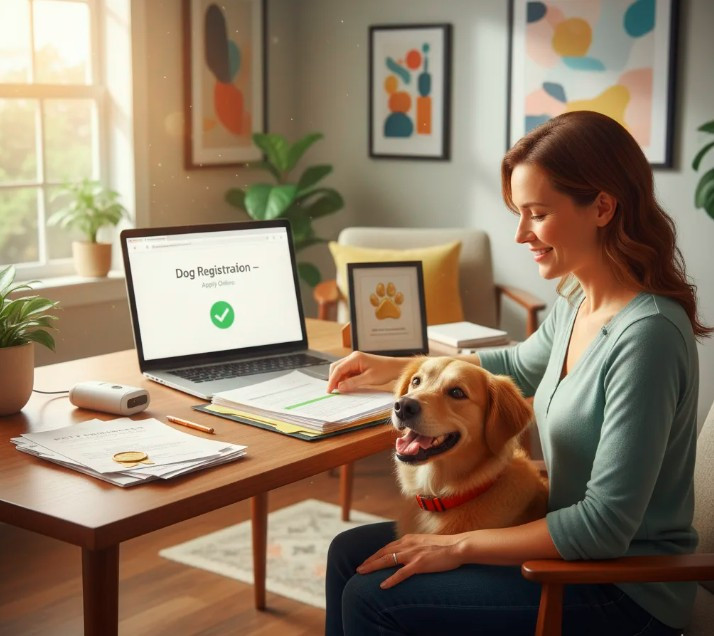
Health records also play a supporting role in the process. Vaccination history, microchip details, and veterinary records help establish continuity and ownership. Microchipping is particularly important, as many registries link registration numbers to microchip IDs, adding a layer of security and traceability to the documentation.
It’s important to work only with ethical and transparent registries. Reputable organizations clearly outline their requirements, fees, and processing timelines. They do not guarantee registration without review, and they prioritize accuracy over speed. Avoid services that promise instant papers without verification, as these documents may not be recognized or respected within the dog community.
Once registration is complete, dog papers should be stored securely and updated when ownership changes. Many registries allow online access to digital certificates, making it easier to manage records over time. Accurate documentation becomes especially valuable if you ever plan to travel, relocate, or transfer ownership of your dog.
For breeders, proper documentation is even more critical. Papers establish credibility, protect bloodlines, and build trust with future owners. Ethical breeders view registration as a responsibility rather than a marketing tool. Clear records help reduce fraudulent practices and promote healthier breeding standards overall.
Choosing a knowledgeable registration service can how to obtain dog papers the experience. Platforms like designerkennelclub.com provide structured guidance, helping owners understand eligibility requirements and submit accurate information without unnecessary delays. Using a trusted source reduces stress and ensures your dog’s identity is recorded correctly.
In the end, dog papers are about more than formality. They represent responsible ownership, respect for breed standards, and long-term accountability. Whether your goal is breeding, competition, or simply peace of mind, understanding the documentation process empowers you to make informed, ethical decisions for your dog’s future.