An American Depository Receipt (ADR) is a type of sticker that represents foreign company shares traded on U.S. exchanges. This means American investors can easily buy foreign stocks on familiar U.S. exchanges, such as the NYSE or NASDAQ, without using international brokers or currencies.
To explain how ADRs work, think about checking out books from another school's library. You don't need to go to the school or buy a membership to check out a book. The librarian arranges to have books from that school, and you get to check out that book just like any other. The books still belong to the other school, but you will have access to it.
For instance, the Swiss food company Nestlé trades on the New York Stock Exchange under ticker NSRGY, and Toyota trades under ticker TM. When you buy shares of these companies using the ADR, you are simply investing in these international companies while buying on the U.S. market.
How ADRs Work: Mechanism and Creation Explained
The process of creating an ADR is quite simple and done in an orderly fashion. A foreign company has a U.S. bank act as a fiduciary on behalf of American investors to take custody of the foreign shares and issue ADRs to American investors.
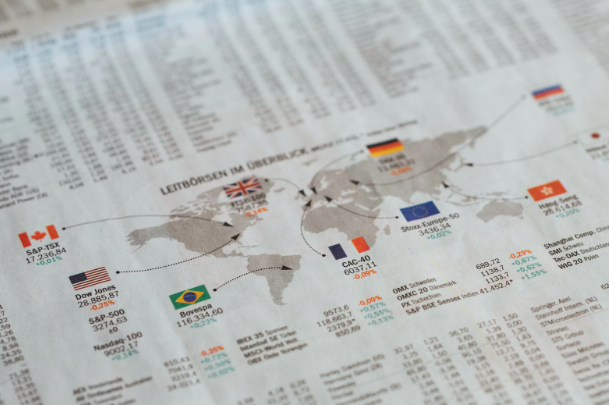
Here’s how it works. The U.S. bank, known as a depository bank, buys shares of the foreign company in its own market, takes custody of the shares and, in return, issues ADR certificates that represent those shares to American investors that buy the ADRs on U.S. exchanges.
It is similar to depositing your books at a library. You deliver your books to the library, they issue you a library card, and then others can borrow your books by using the library card, and you are still the owner. The library manages the borrowing, while you own the books.
ADR Types and Differences: Level 1, 2, 3 Explained
Level 1 ADRs are the most rudimentary type of ADR. Level 1 ADRS trades over-the-counter instead of trading on the major exchanges. Machinery of disclosure is minimal on foreign issuers, and therefore Level 1 ADRs are often lower liquidity instruments. Think about it like reading a book in the corner of a public library - you're allowed to read the book, but there are limitations.
Level 2 ADRs elevate your investment experience. They trade on the big U.S. exchanges, NASDAQ or NYSE, and a foreign company must comply with U.S. GAAP accounting rules and make periodic financial disclosures to remain listed. With a better standard of disclosure and a listing on a U.S. exchange, Level 2 ADRs also provide better liquidity and more institutional investors.
ADR vs Local Shares: Key Differences Every Investor Must Know
The first difference is the currency. ADRs are traded in U.S. dollars and on American exchanges during U.S. market hours. Local shares are traded in the local currency and on the local market hours. For instance, if you buy Toyota's ADR, you are using dollars to trade. If you buy Toyota shares while in Tokyo, you are using Japanese yen to trade.
Dividends work differently also. If you hold an ADR, the depository bank converts the foreign currency into U.S. dollars before paying the dividend to you. This creates another layer of currency risk, and foreign withholding taxes may apply as well. Local shareholders will receive their dividend in local currency and may also be subject to their own taxes.
How ADRs Affect Portfolios and Risk Management
By adding ADRs to your portfolio, you gain access to a non-US company and market without the hassle of a foreign brokerage account. You can invest in a European consumer goods business, Asian technology, or Latin American resources, all inside your US brokerage account. Geographic diversification can help mitigate portfolio risk and take advantage of growth in global economies.
The main risk that ADR investors must manage is currency risk. Even if the foreign company is performing well, a negative conversion due to currency fluctuation may offset those returns. For example, say an investor bought an ADR for a European company. They see the value of that ADR increase, but if the euro decreases in value compared to the dollar, then when the ADR is converted back to USD, the value is less.
Conclusion: Start Investing in ADRs Wisely
ADRs provide American investors with a simple portal to global investing, eliminating the hassle of foreign brokerages. They can provide exposure to international companies with growth potential outside of the United States. Understanding the different ADR levels in order to make educated decisions that fit your appetite for liquidity and public activity will be helpful. Level 1 ADRs work well if you don’t require liquidity and you can be patient. Level 2 (and Level 3) ADRs provide you with the liquidity and level of public disclosures most investors desire.
Be mindful that ADRs are structured to yield dividends based on the performance of the underlying company, combined with the associated currency performance variables. The depository bank will convert the dividends from the foreign currency to US dollars and may also provide limited voting rights. The different structure of ADRs in comparison to direct ownership of foreign shares, is, in part, what differentiates them.
For more info:-
trading app
best forex trading platform