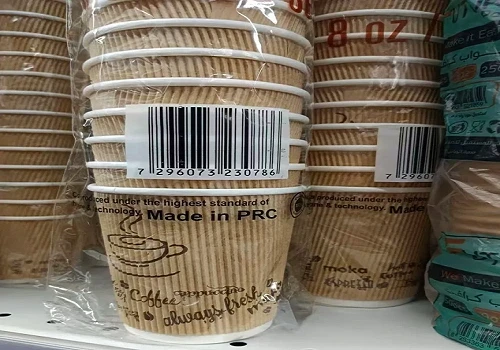
Global trade labels influence trust, pricing, and purchasing decisions more than most buyers realize. One term that often creates confusion is made in PRC. While it appears frequently on product packaging and shipping documents, many buyers still misunderstand its meaning and implications. This article explains what the label truly represents, why it is used, and how buyers should interpret it in modern sourcing.
What Does “Made in PRC” Mean?
The phrase made in PRC simply stands for “Made in People’s Republic of China.” It is an official country designation, not a different origin or a separate manufacturing standard. Products marked this way are manufactured in mainland China, just like items labeled “Made in China.”
The term PRC is commonly used in export documentation, customs paperwork, and factory labeling because it is the formal name of the country. Many manufacturers adopt it to maintain consistency in international trade or to align with official regulatory language.
Why Manufacturers Use the Label Made in PRC
There are several practical reasons why suppliers choose to label products as made in PRC instead of using the more familiar wording. First, PRC is widely accepted in international shipping and customs systems. Using the official country name helps reduce ambiguity during cross-border trade.
Second, some exporters believe the term sounds more formal and neutral, especially when dealing with professional buyers, importers, or government contracts. In certain markets, it is perceived as a standardized trade label rather than a marketing phrase.
Finally, the label does not change the product’s origin or quality. Whether a product says “Made in China” or made in PRC, the manufacturing location and compliance requirements remain the same.
Made in PRC vs Made in China: Is There Any Difference?
One of the most common questions among buyers is whether there is a real difference between these two labels. From a legal and commercial standpoint, there is none. Both terms refer to goods produced in the same country and subject to the same regulations.
Quality depends on the factory, materials, quality control process, and supplier reliability—not on the wording of the country-of-origin label. A high-end electronic device and a low-cost consumer item can both be made in PRC, yet their quality levels may differ drastically.
Understanding this distinction helps buyers avoid assumptions based solely on labeling and instead focus on supplier verification and production standards.
Advantages of Sourcing Products Made in PRC
Sourcing products made in PRC offers several advantages for global businesses. China has one of the most developed manufacturing ecosystems in the world, covering industries such as electronics, textiles, machinery, consumer goods, and industrial components.
Manufacturers benefit from advanced supply chains, skilled labor, scalable production capacity, and competitive pricing. Buyers can also choose from a wide range of customization options, certifications, and packaging solutions.
Additionally, many factories in China now follow international compliance standards, including ISO certifications and third-party inspections, making sourcing more transparent and reliable than in the past.
How Buyers Should Evaluate Made in PRC Products
Instead of focusing on the label alone, buyers should assess products based on supplier credibility. This includes checking factory audits, requesting samples, verifying certifications, and conducting quality inspections before shipment.
Clear communication with suppliers about materials, tolerances, and production timelines is essential. A product labeled made in PRC can meet or exceed global standards when produced by a reputable manufacturer with proper quality control.
Final Thoughts
The term made in PRC is not a red flag, a quality downgrade, or a different country of origin. It is simply a formal way of stating that a product is manufactured in China. For buyers and importers, understanding this distinction leads to better sourcing decisions and fewer misconceptions.
By focusing on supplier reliability rather than labels, businesses can confidently source high-quality products and build long-term success in global trade.